Vein & Vascular Center in Sea Girt, New Jersey
The Vein and Vascular Center
is an integrated approach to vascular health within the Change of Heart Cardiology
philosophy. We offer a broad range of non-invasive diagnostic and therapeutic interventional services dedicated to vascular health. These services include:
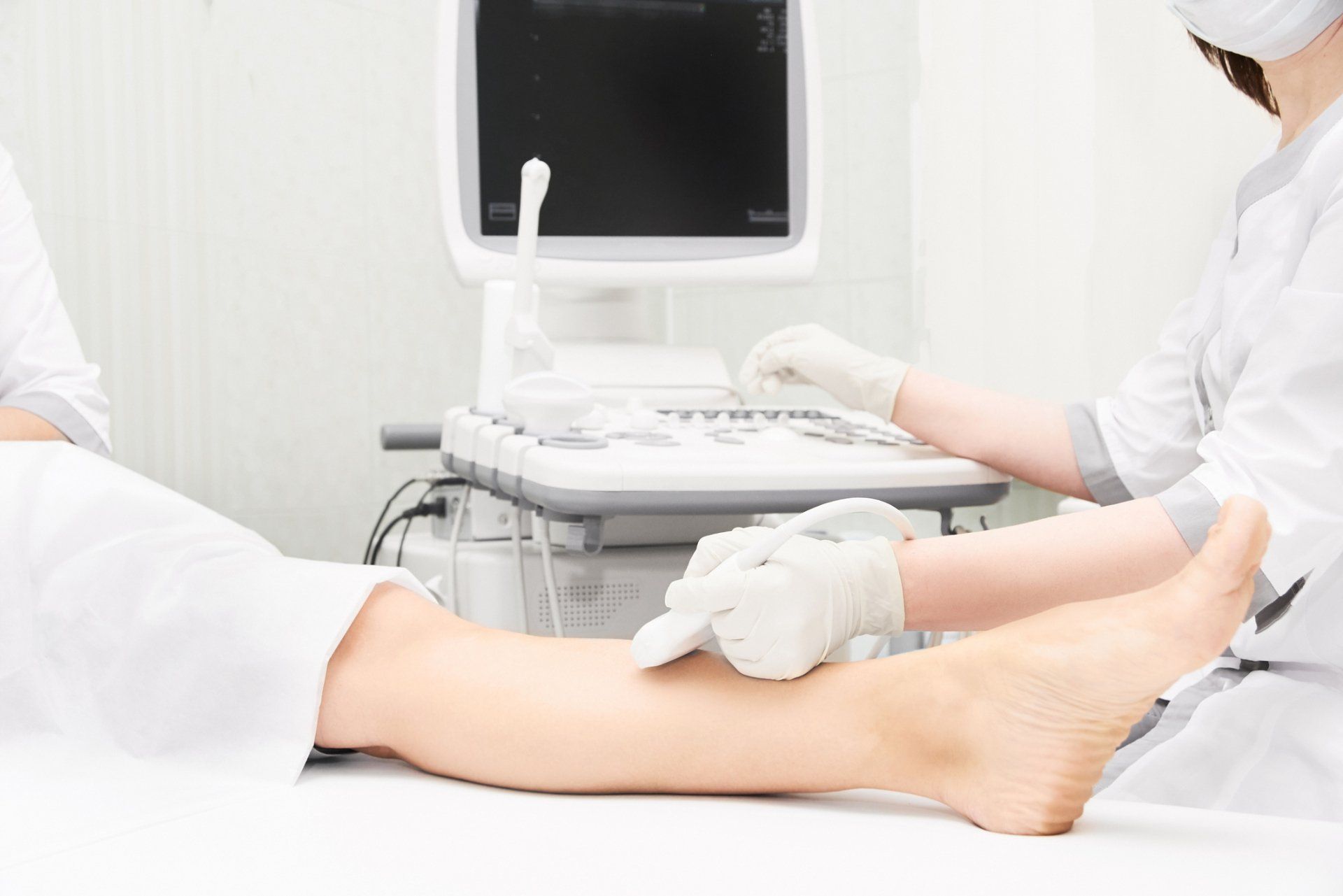
Non-invasive vascular ultrasound: Using painless ultrasound waves, we are able to diagnosis many diseases of the arterial and venous systems.
Non-invasive vascular ultrasound: Using painless ultrasound waves, we are able to diagnosis many diseases of the arterial and venous systems.
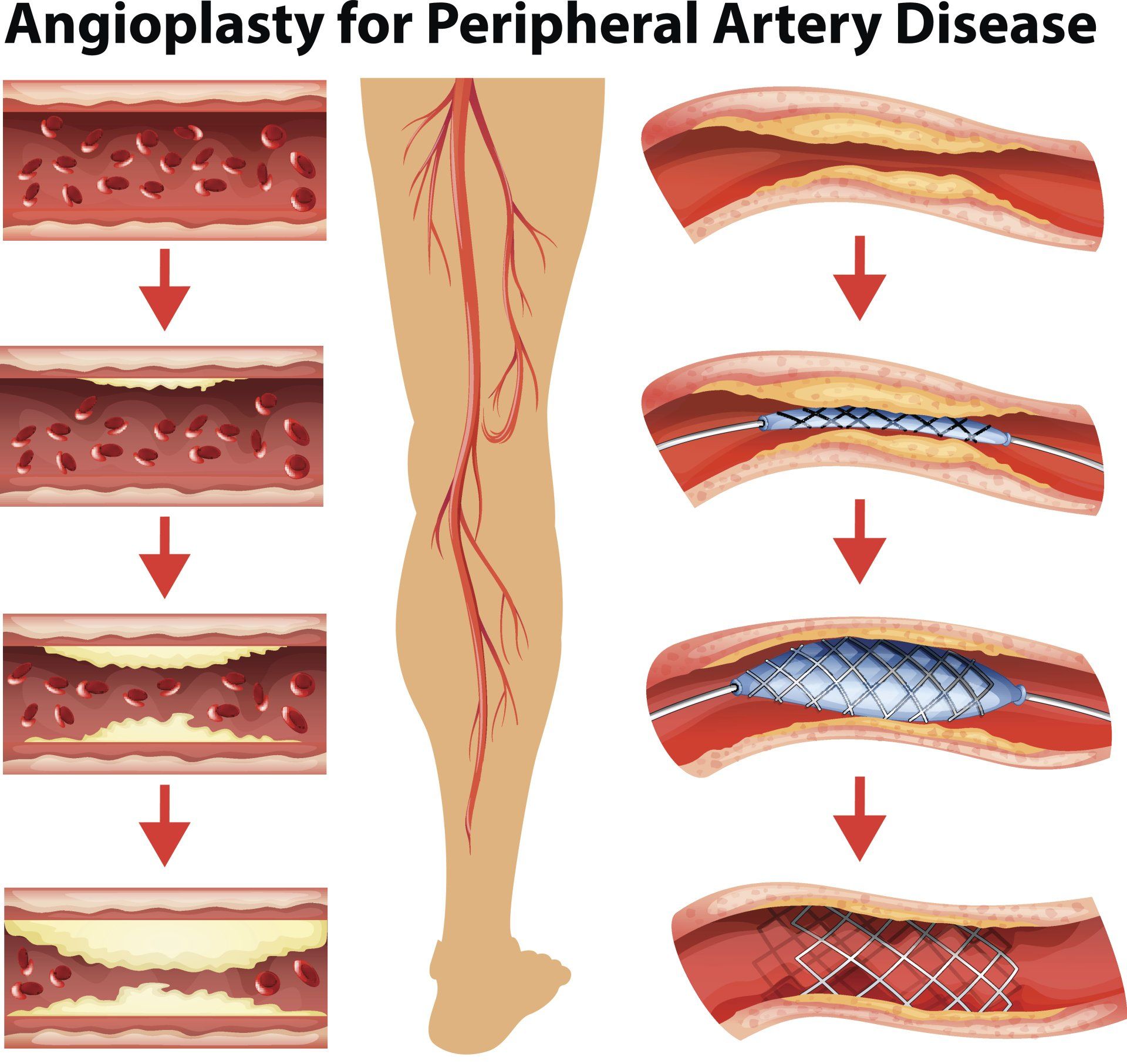
Peripheral arterial disease:
Do your legs hurt when you walk or do you have wounds that won't heal? You may have PAD. Our physicians are able to address most arterial disease using minimally invasive endovascular therapies to address these blockages.
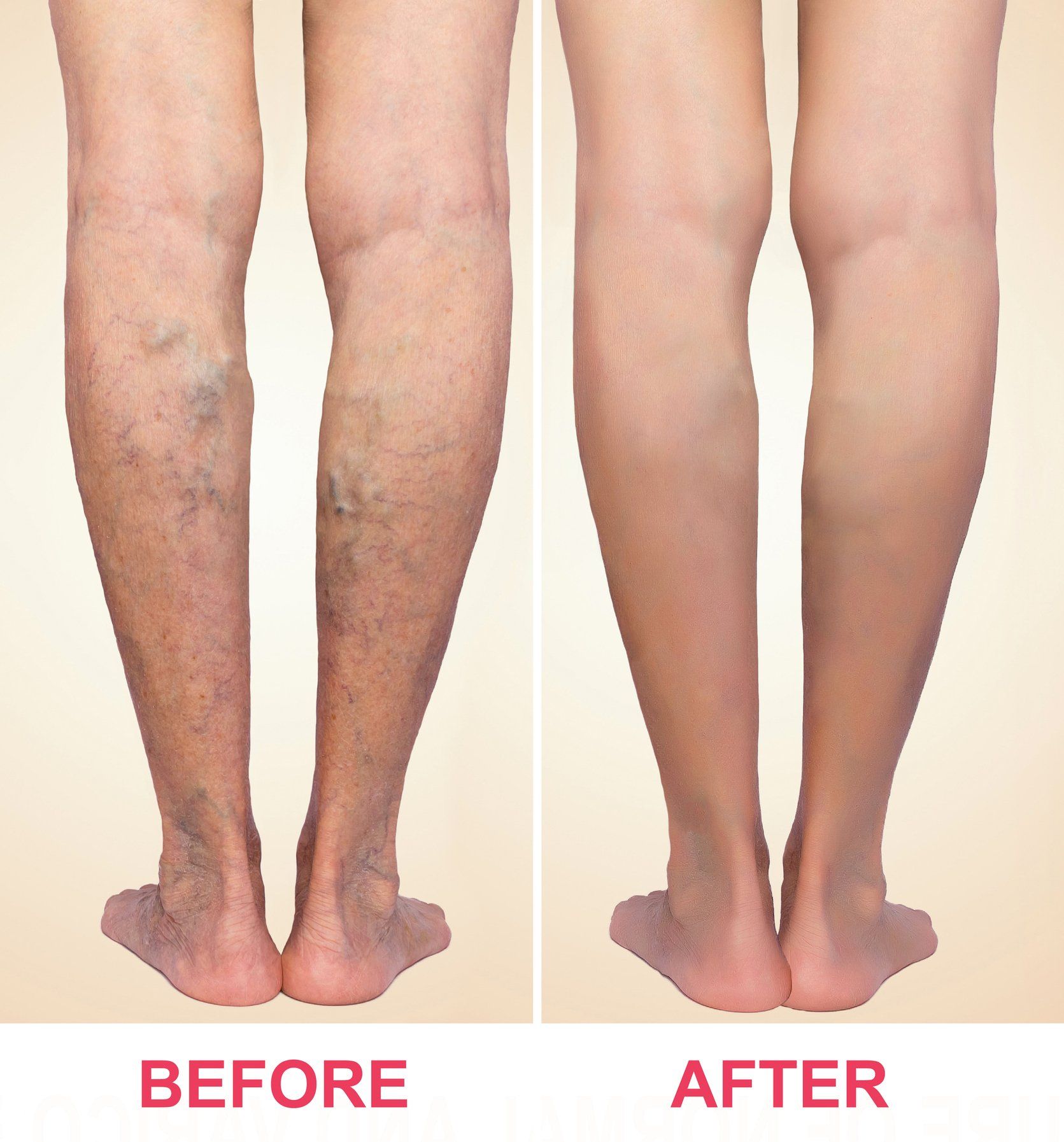
Venous insufficiency:
Are your legs tired and/or swollen? Are you unable to get your legs comfortable in bed? Do you have varicose veins? You may have venous insufficiency. We offer minimally invasive, in-office therapy for this condition.
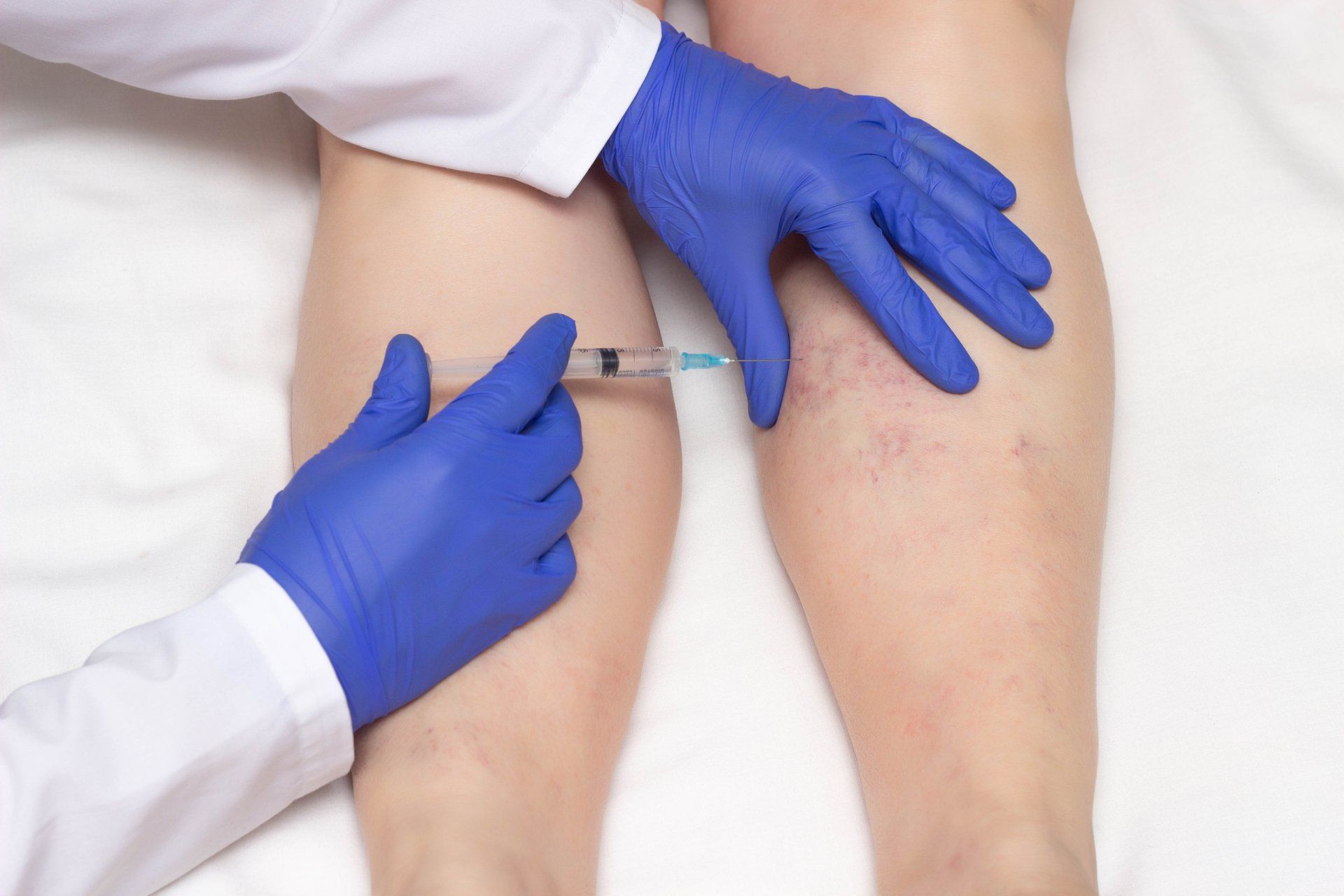
Spider veins:
Do you have unsightly spider veins on your legs? We offer sclerotherapy to treat these. Sclerotherapy is a minimally invasive office procedure where we use very small needles to inject a solution (Asclera)
into the affected veins causing them to disappear.
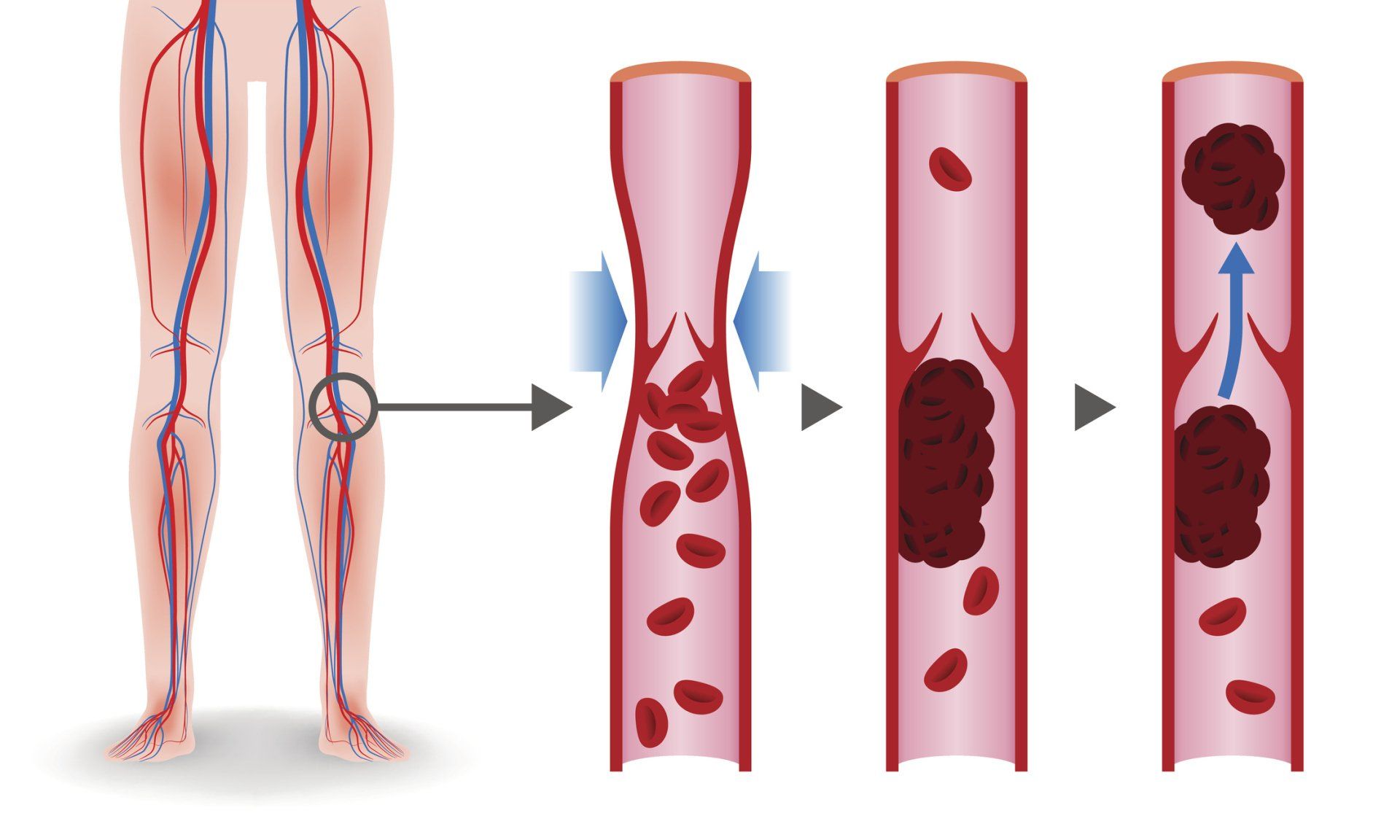
Deep Vein Thrombosis:
These are clots that form in the deep vessels of the legs and occasionally arms. We are able to remove these clots using small catheters. Doing this may reduce your chance of having permanent swelling as a consequence of this condition.
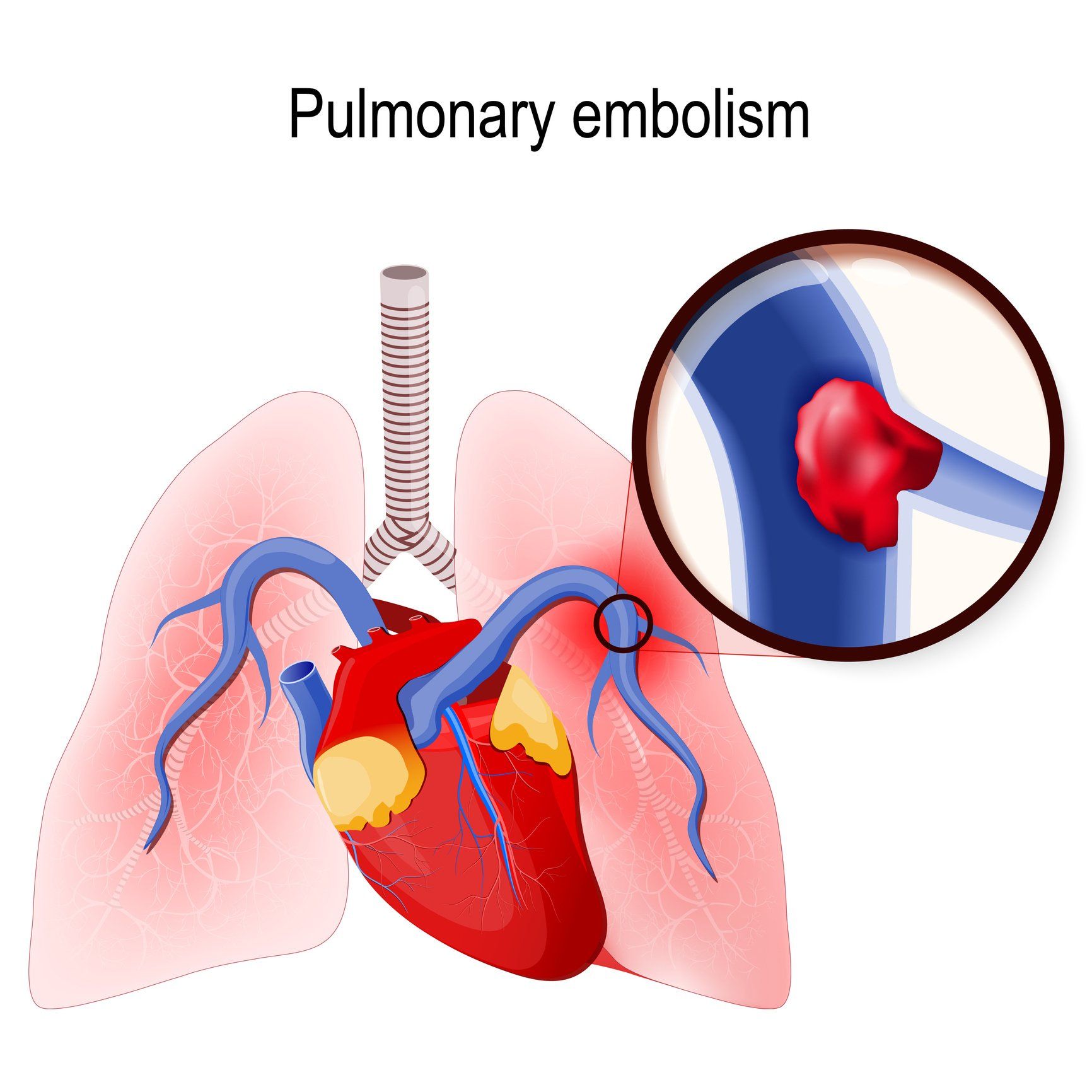
Pulmonary Embolism:
This is a potentially life-threatening condition where a blood clot travels to the lungs. Occasionally, it is best treated by the direct removal of the clot using specialized catheters that our physicians are experienced in using.